Piccadilly Square (Circus) in London: What Everyone Misses in 2026
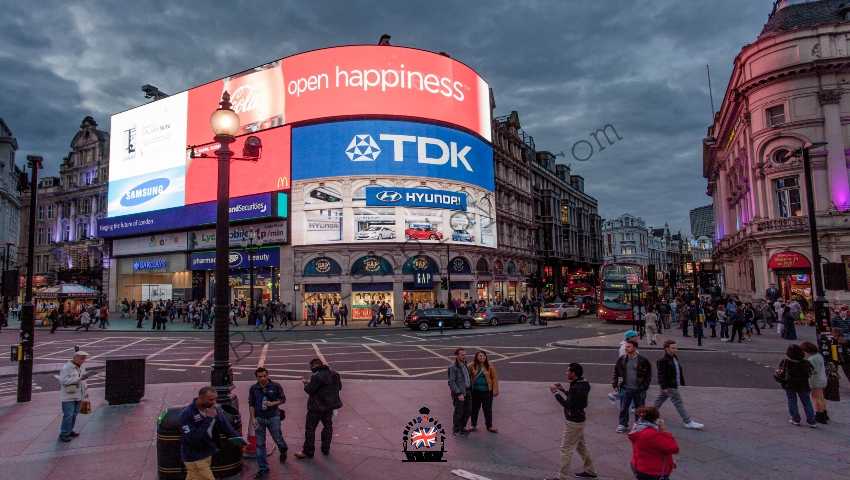
At the heart of London, Piccadilly Circus—often called Piccadilly Square—flashes nonstop: blazing screens, surging crowds, taxis cutting through. In 2026, though, the real story isn’t the spectacle; it’s what’s quietly changed beneath the neon.
From overlooked corners to subtle upgrades and local rituals, this crossroads rewards anyone who slows down. Here’s what to notice when you stop rushing through.
In 2026, Piccadilly isn’t a destination you visit. It’s a control room for central London—where transport, culture, nightlife, shopping, and history quietly intersect. If you understand how it works, you stop drifting through London and start using it.
Piccadilly Square Explained (Properly)
First, clarity matters. There is no official place called “Piccadilly Square.” What people mean—what they’re really looking for—is Piccadilly Circus.
Opened in 1819, Piccadilly Circus is a road junction and public space in the City of Westminster where five major streets collide: Piccadilly, Regent Street, Shaftesbury Avenue, Coventry Street, and Haymarket.
Address: Piccadilly Circus, London W1D 7ET
The History Most Visitors Never Learn
Piccadilly Circus didn’t become famous because of advertising screens. Those came later.
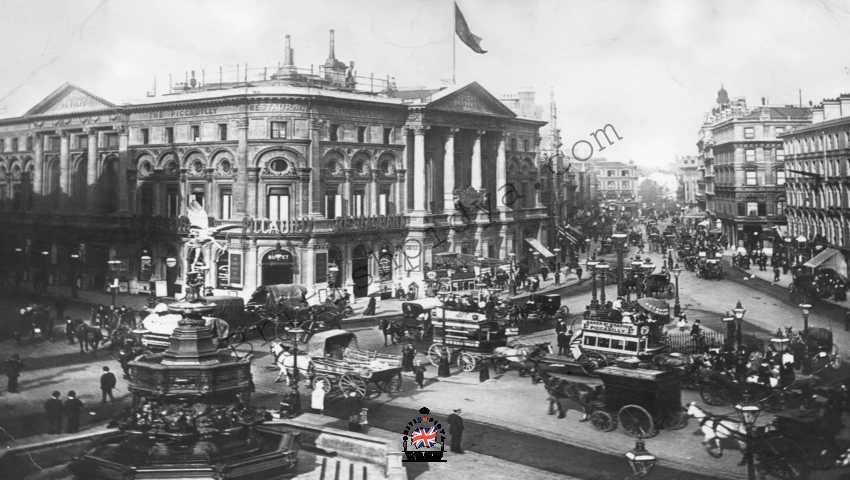
It became important because it was designed as a connector. John Nash built it to funnel people efficiently between entertainment districts, royal routes, and commercial streets. That function hasn’t changed—only the technology has.
- 1819: Constructed to connect Regent Street with Piccadilly
- 1893: Shaftesbury Memorial Fountain installed
- 1908: First illuminated advertisements appear
- 2017: Screens replaced by a single curved 4K digital display
The Landmarks Everyone Photographs (But Rarely Understands)
There are two icons here—and both are misunderstood.
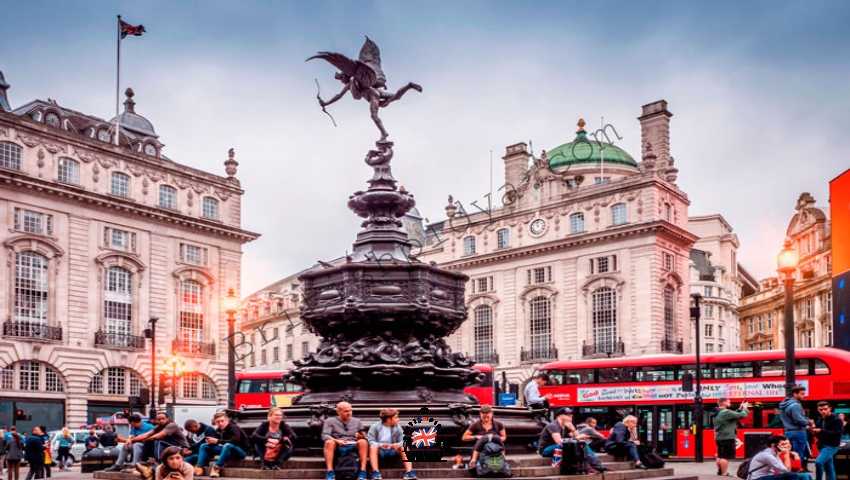
- Shaftesbury Memorial Fountain: Often called “Eros,” the statue is actually Anteros, symbol of selfless love. It commemorates Victorian social reformer Lord Shaftesbury.
- Piccadilly Lights: The curved LED screen runs 24/7 and is one of the most valuable advertising sites in Europe, visible to hundreds of thousands of pedestrians daily.
Events & Seasonal Moments (2026 Reality)
Piccadilly Circus itself rarely hosts ticketed events—but it sits at the centre of London’s biggest seasonal shifts.
- Christmas (late Nov–Dec): Piccadilly Lights anchor the West End illuminations. Best viewing after 6pm.
- New Year’s Eve: Area becomes pedestrian-controlled from early evening. Expect closures from 6pm, free but crowded.
- Film premieres: Leicester Square (3 minutes’ walk) hosts red-carpet events year-round.
Shopping Here Is Strategic, Not Casual
Piccadilly Circus is not where you browse. It’s where you branch out.
- Regent Street (1 minute): Flagship fashion stores
- Jermyn Street (5 minutes): Shirts, shoes, tailoring
- Soho (4 minutes): Independent shops and late-night dining
Where to Eat Without Falling into Tourist Traps
Food directly on the Circus is expensive and rushed. Walk two streets and everything changes.
- Soho (5 mins): £12–£18 mains, independent kitchens
- Leicester Square backstreets: Pre-theatre menus from £19.95
- Jermyn Street: Traditional British dining
Transport: The Detail That Saves You Money
Piccadilly Circus Underground Station is served by the Piccadilly and Bakerloo lines.
- Bus fare (London): £1.75 per journey, unlimited transfers within 1 hour
- Daily Tube cap (Zone 1): £8.90 using contactless or Oyster
- Weekly Zone 1 cap: £44.70 (Mon–Sun)
- First trains: approx. 5:00am | Last trains: around midnight
Is Piccadilly Square Good for Families?
Yes—but not as a playground.
Use it as a hub. Daytime visits work best. Combine it with Leicester Square cinemas, Trafalgar Square (10-minute walk), or the West End theatres.

Working in Piccadilly Circus (What That Actually Means)
You don’t work on Piccadilly Circus. You work around it.
The surrounding streets host media agencies, hospitality groups, theatres, retail headquarters, and tourism firms. The advantage is transport—everywhere connects.
Location of Piccadilly Square (Circus)
Nearby Landmarks Worth Your Time
From Piccadilly Circus, London opens outward:
- Leicester Square: 250 metres
- Trafalgar Square: 800 metres
- Buckingham Palace: 1.9 km
- London Eye: 3.0 km
Conclusion: Seeing Piccadilly Differently
You started this thinking Piccadilly Square was somewhere you stop.
Now you know it’s somewhere you use.
Stand there long enough and London doesn’t just rush past you—it reveals how it moves. And once you see that, you never walk through Piccadilly Circus the same way again.