Stargazing in the UK: Where, When & How to See the Night Sky in 2026
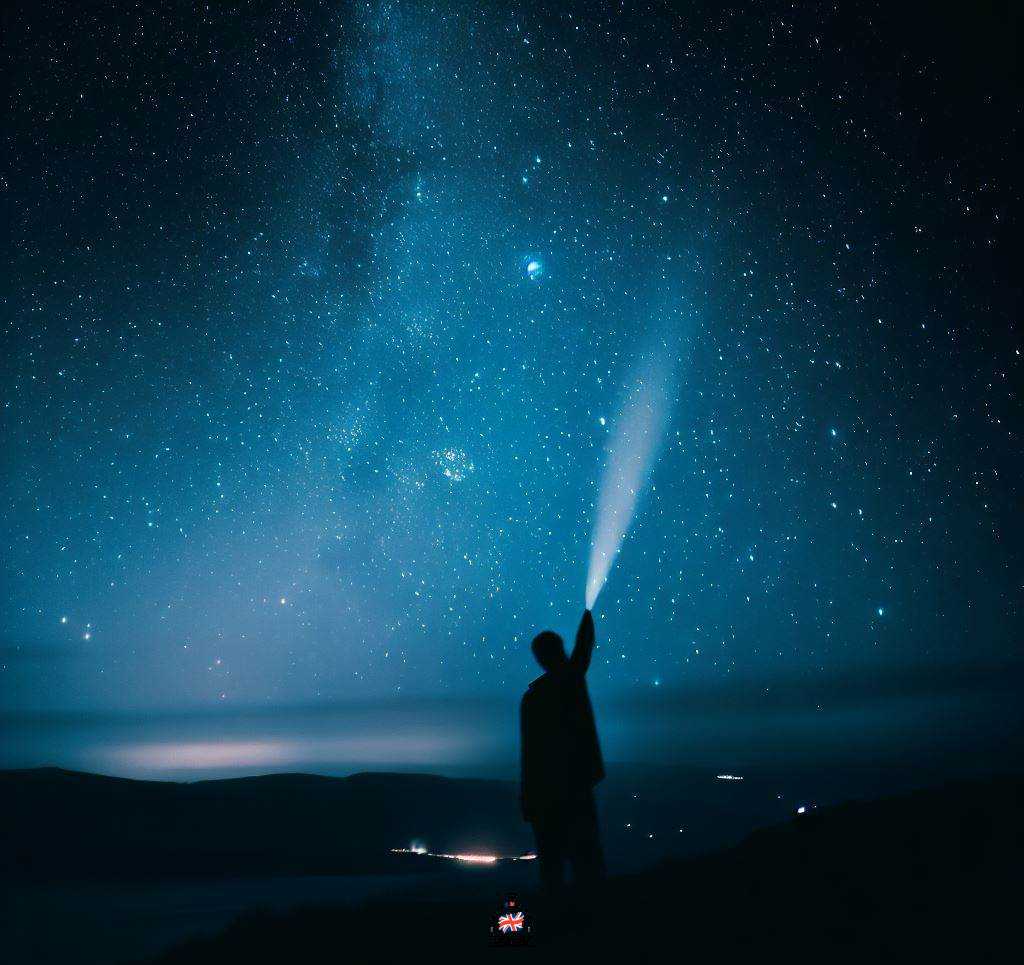
One clear night, the power cuts out, the kettle goes cold, and the sky quietly takes over. Stars sharpen, planets glow, and suddenly the UK feels bigger than its borders.
This is the best time to see:
- Orion Nebula (visible to the naked eye in dark locations)
- The Pleiades (Seven Sisters)
- Bright planets like Jupiter and Mars (depending on month)
Spring to Early Autumn (April–September)
This is when most people wrongly stop looking up.
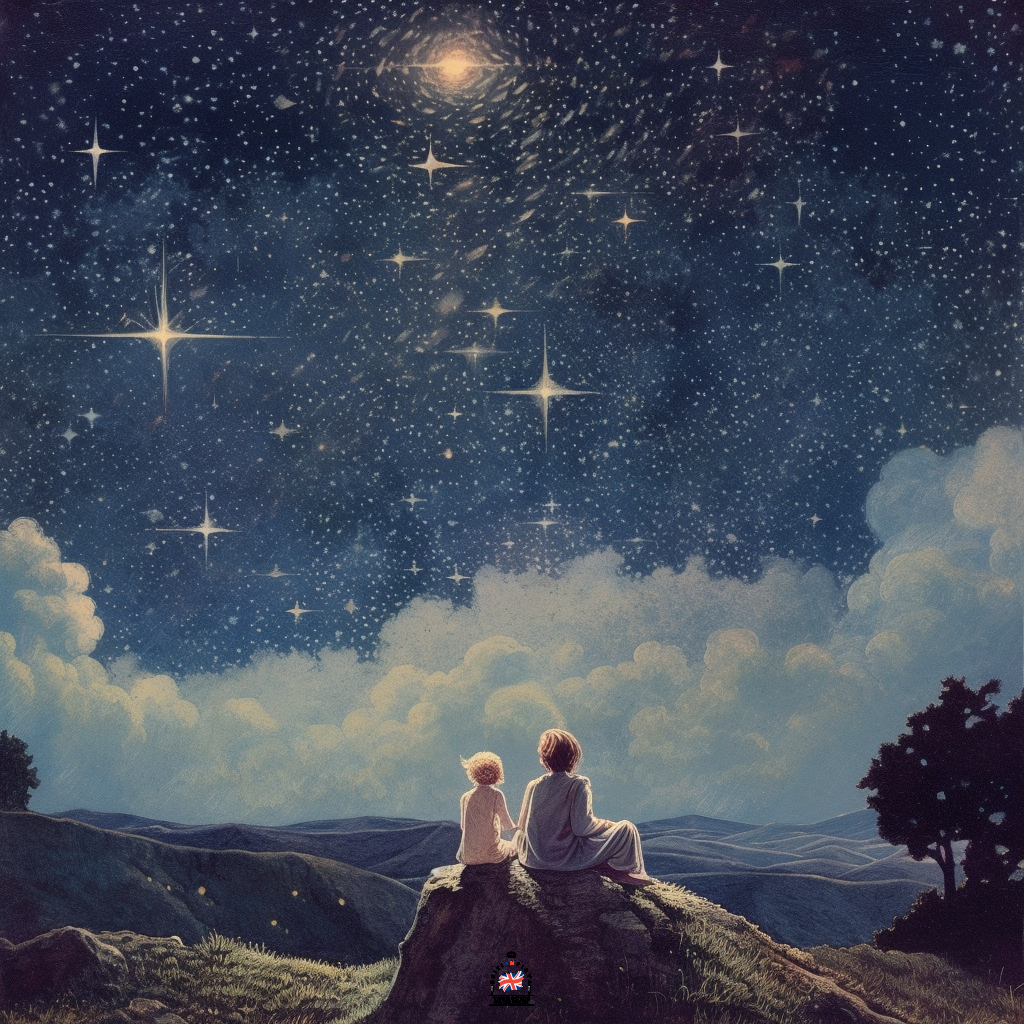
Yes, nights are shorter. But from late May through September 2026, the Milky Way’s core becomes visible in truly dark areas — especially in Wales, northern England, and Scotland.
Summer also delivers the UK’s most reliable meteor showers.
Moon Phases Matter More Than Temperature
A full Moon can wipe out 80% of visible stars.
In 2026, plan sessions around the new Moon or when the Moon sets early. The Royal Observatory Greenwich publishes a full UK-specific night sky calendar each year.
The Best Stargazing Places in the UK (2026)
Light pollution — not weather — is the real enemy.
In 2026, the UK has over 20 internationally recognised Dark Sky locations, including parks, reserves, communities, and islands.
Dark Sky Reserves & Parks
These areas are certified for exceptionally low light pollution:
- Northumberland International Dark Sky Park – England’s darkest skies
- Exmoor National Park – Europe’s first Dark Sky Reserve
- Brecon Beacons (Bannau Brycheiniog) – Wales’ flagship dark-sky area
- Snowdonia (Eryri) National Park
- Galloway Forest Park – Scotland

England
Kielder Water & Forest Park, Northumberland is the benchmark. On a clear night, the Milky Way casts visible structure across the sky.
Kielder Observatory
Address: Black Fell, Kielder, NE48 1EJ
Public events run year-round. Tickets are typically £25–£35 per adult depending on event type. Advance booking is essential via the official website.
Scotland
Scotland’s latitude gives longer dark periods.
Top locations in 2026 include:
- Isle of Skye
- Cairngorms National Park
- Isle of Coll (Dark Sky Community)
Wales
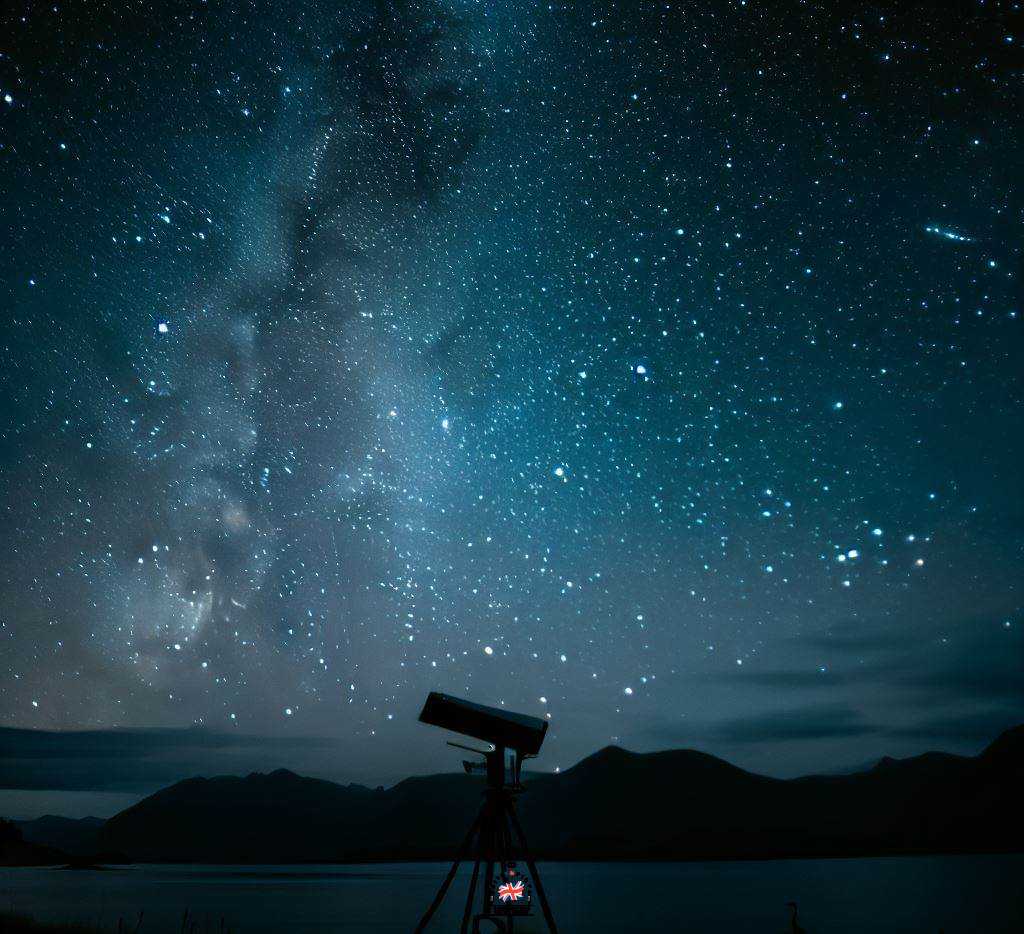
The Brecon Beacons and Snowdonia consistently rank among the darkest skies in Britain.
Do You Need a Telescope?
No — and that surprises most beginners.
Binoculars First
A £30–£60 pair of 7x50 or 10x50 binoculars reveals more than most cheap telescopes.
Apps Remove Guesswork
In 2026, apps like Stellarium and SkyView use your phone’s GPS and gyroscope to identify stars instantly.
Major Stargazing Events in the UK (2026)
Meteor Showers You Should Actually Plan For
Not all meteor showers are equal.
- Perseids: Peak night 12–13 August 2026 (excellent moon conditions)
- Geminids: Peak night 13–14 December 2026
- Lyrids: Peak 22 April 2026

Eclipses
Lunar eclipses remain the most accessible events. Always check official UK astronomy calendars for exact visibility by location.
The Real Secret to Stargazing in the UK
Most people fail because they wait for perfection.
Perfect weather. Perfect gear. Perfect timing.
Experienced stargazers know better.
You go when the sky gives you an opening. You adapt. You look up.
And one night — usually when you least expect it — the Milky Way appears, silent and overwhelming, and the UK suddenly feels far bigger than its maps suggest.

Best Stargazing Spots UK
- South Downs National Park, England
- Pembrokeshire Coast National Park, Wales
- North York Moors National Park, England
- Galloway Forest Park, Scotland
- Exmoor National Park, England
- Yorkshire Dales, England
- Brecon Beacons, Wales
- Snowdonia National Park, Wales
- Kielder Water & Forest Park, Northumberland
- Isle of Coll, Scotland