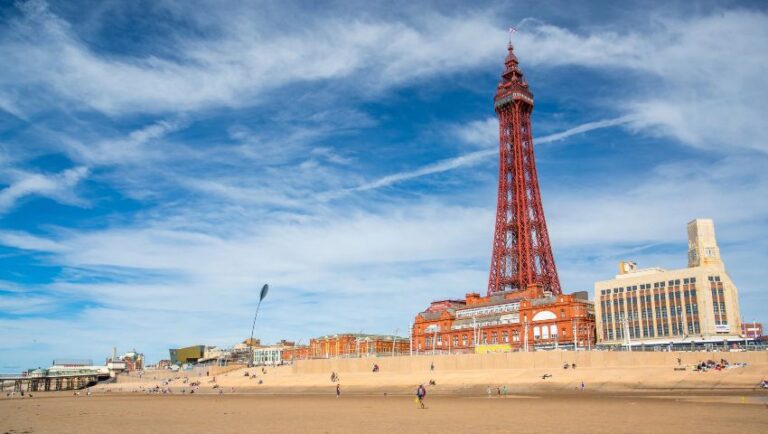
Top 10 Best Beaches in the UK (2026 Guide with Real Costs & Tips)
You don’t need turquoise seas or a long-haul flight to have a beach day that actually delivers. In the UK, you get wild scenery, clean sand, surfable waves, and moments that feel properly special — if you know where to go and when.
This guide breaks down the 10 best UK beaches for 2026, with real costs, timing tips, and what each spot is genuinely good for — so you can pick the right one and go in prepared.
This isn’t a nostalgic list or a recycled roundup. This is a 2026, boots-on-the-sand guide to the UK’s best beaches — with real prices, real access details, and the small truths that decide whether a beach day feels magical or mildly annoying.

1. Formby Beach, Merseyside
Formby Beach quietly breaks expectations. You don’t come here for cafés or deckchairs — you come for space. Real, cinematic space.
The dunes stretch for miles, red squirrels live in the surrounding reserve, and at low tide the beach feels endless. Parking at National Trust Formby Point car park costs around £8.50 per day (members free). Trains from Liverpool Central to Formby take around 25 minutes, then a 15-minute walk.
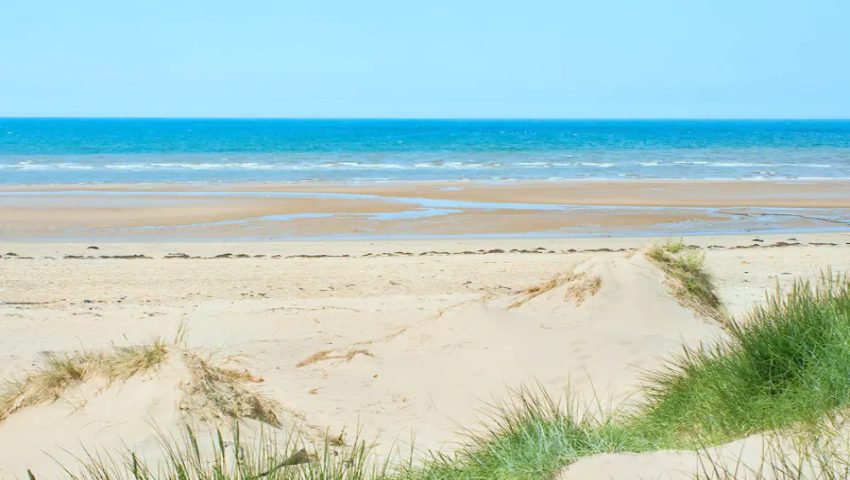
2. West Wittering Beach, West Sussex
West Wittering looks like the south of France on the right day — and that’s why it controls access.
In 2026, parking is still pre-booked or paid on arrival. Expect £13.90 on weekdays and £15.45 on summer weekends for a full day. The beach opens from 6:30am in summer, and dogs are allowed year-round with seasonal restrictions.
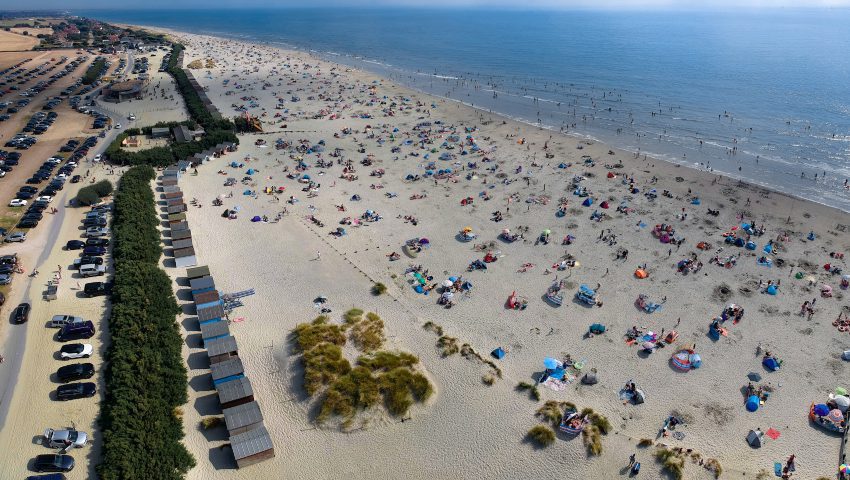
3. Bournemouth Beach, Dorset
Bournemouth Beach isn’t just popular — it’s officially one of the cleanest resort beaches in the world.
As of the latest awards, multiple sections retain Blue Flag status. Expect level promenades, RNLI lifeguards in season, accessible beach huts, and toilets every few hundred metres. Trains from London Waterloo take about 2 hours, with advance tickets from £25–£45.
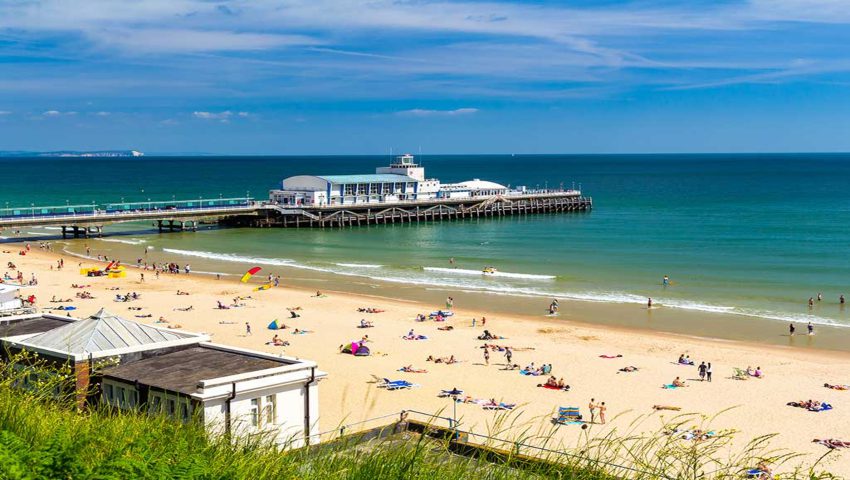
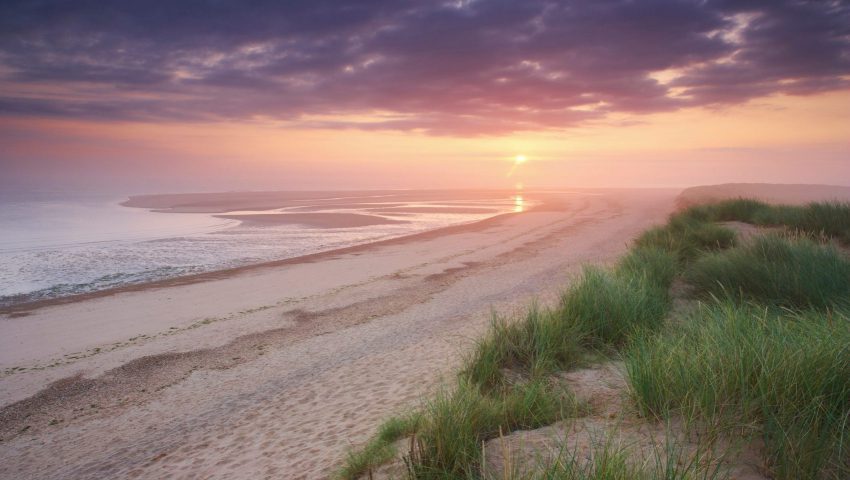
4. Holkham Beach, Norfolk
Holkham Beach doesn’t try to impress you. It overwhelms you quietly.
This is a place where the horizon feels bigger. Parking at Holkham Gap costs around £6–£7 per day. There are no shops on the beach — bring food, water and layers. The reward is one of the most unspoilt beaches in England.
5. Brancaster Beach, Norfolk
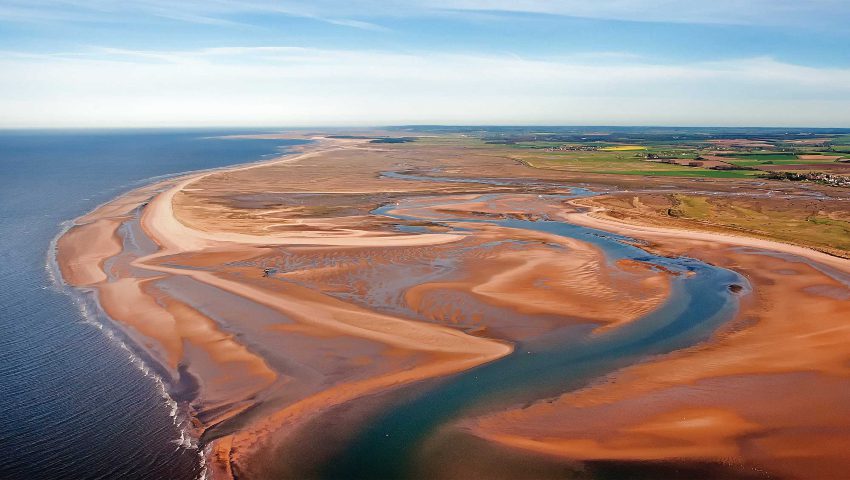
If Holkham is epic, Brancaster Beach is gentle perfection.
Known for shell-filled sands and calm walks, parking is typically £5–£7 per day. It’s ideal for families, kite flyers, and winter sunsets that feel almost cinematic.
6. Holkham National Nature Reserve Beach
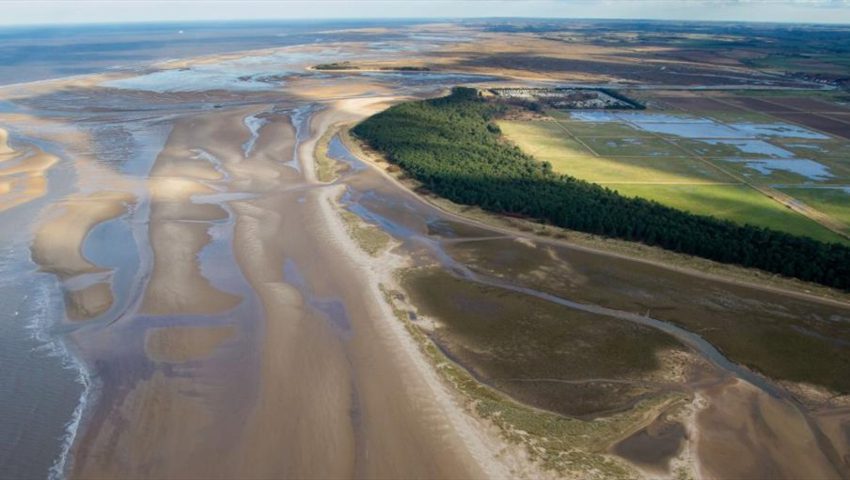
This stretch of coast proves a hidden truth: the UK’s best beaches are often the hardest to reach.
At low tide, the walk feels endless in the best way. There are no arcades, no noise — just wind, birds, and sand. Access is free; parking charges vary by entrance.
7. Cley-next-the-Sea, Norfolk
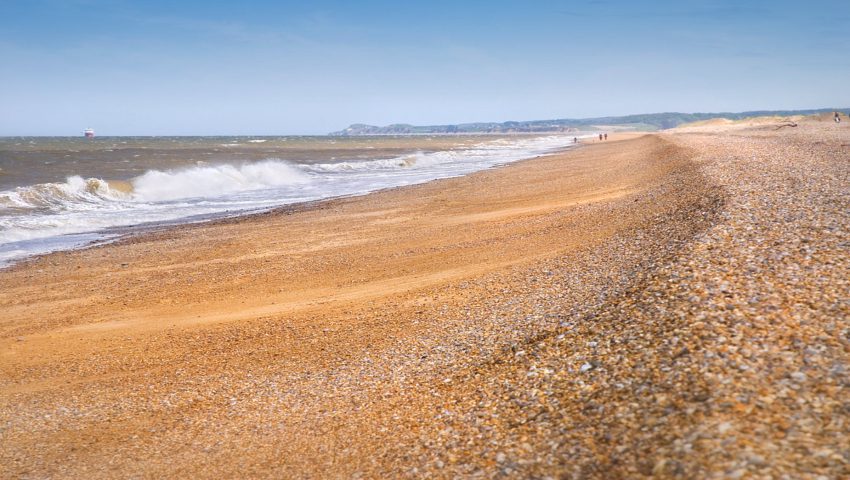
Cley-next-the-Sea isn’t about sandcastles. It’s about silence.
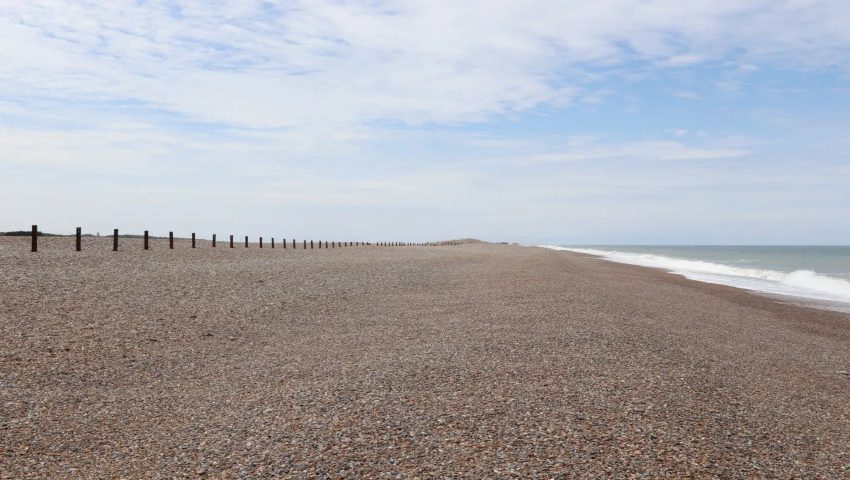
Shingle beaches, huge skies, and birdlife dominate here. It’s free to access, with roadside parking nearby. Bring binoculars — seriously.
8. Salthouse Beach, Norfolk
Salthouse is where the North Sea gets dramatic.
Popular with kitesurfers, it’s raw, windy, and addictive. Parking is usually £3–£5. Come for movement, not sunbathing.
9. Southwold Beach, Suffolk
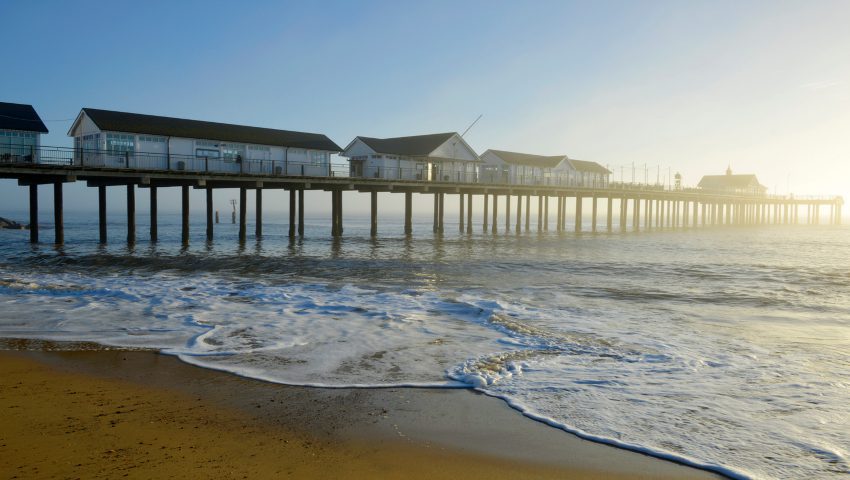
Southwold Beach blends tradition and space beautifully.
Bright huts, a working pier, and a long promenade make it ideal for multi-generation trips. Parking around town averages £6–£9 per day.
10. Durdle Door, Dorset
Durdle Door is not easy — and that’s the point.
Parking at Lulworth Estate sites costs £3.10 for 1 hour, £12.40 for 4 hours, or £20 all day. The walk takes around 20 minutes downhill — longer coming back. Wear proper shoes.
You started this article thinking UK beaches were a compromise.
Now you know the truth: they’re a choice. And once you learn how to visit them properly, they stop being second-best — and start being unforgettable.