Industry in UK .. Everything You Need to Know 2023
In this article you will find everything you need to know about industry of UK. The UK is Europe’s second largest industrial producer after Germany, with revenues from industry estimated at around 505 billion dollars in 2016.
Britain has maintained its industrial production for 23 years, which has resulted in significant economic growth, with the car industry growing by 3 percent. The mining and quarrying industries increased by 0.7%.
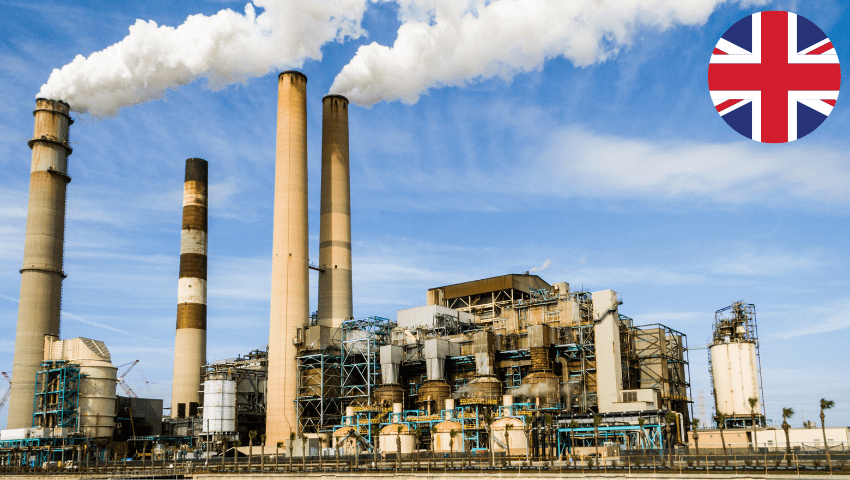
Industry of UK
At the beginning of the 1980s, the British manufacturing sector kept losing jobs and making less of a contribution to GDP. This led to a drop in manufacturing and high unemployment rates.
However, once the country’s economy recovered, productivity and profits in UK manufacturing—food, beverages, chemicals, engineering, paper, metals, textiles, clothing, footwear, leather, and other prominent UK manufacturing industries—increased significantly.
As many chemical industries emerged, electrical engineering and chemicals were among the fastest-growing sectors; as pharmaceuticals, electrical, industrial, and transportation engineering have grown.
There has also been an increase in car production among foreign companies that invest in the UK, particularly Japanese companies. Engineering is in decline, as are textiles, clothing, and shoes, owing to British companies’ difficulty competing with imports from other countries, particularly those from Asia.
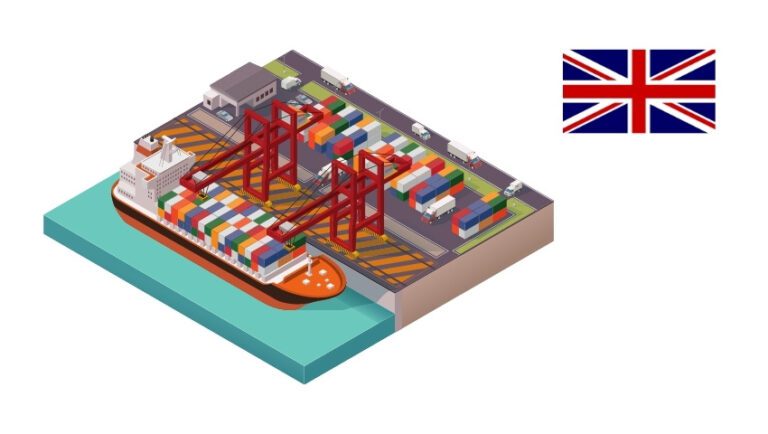
Also read: Trading ports UK
Industry of UK products and manufacturing locations

Manufactured goods, fuels, chemicals, food, beverages, and tobacco are among Britain’s most important exports, as are many of the major industrial and commercial areas, which are concentrated in the major suburbs, where about a third of the country’s population lives, and the following are among the most important industrial cities in UK.
Also read: Safest Investments In UK
- The City of London: It is the administrative and financial center in Britain , and the first financial city in Europe, and includes many manufacturing industries.
- West Midlands: where metal goods, vehicles, aircraft, synthetic fibres, and electronic equipment are manufactured.
- Greater Manchester: The cotton and synthetic textile industry, coal, and chemical industries are located, as well as transportation and storage centers.
- The areas of Leeds and Bradford: where the wool industry, and textiles flourished.
- South Wales: In addition to the ports of Swansea, Cardiff and Newport, important industries include; oil refining, mineral production; Such as lead, zinc, nickel, aluminum, synthetic fibers, and electronics.
- Scotland: Famous for shipbuilding, nautical engineering, printing, and the production of textiles, food, and chemicals.
- Belfast, Northern Ireland: It is a center for shipbuilding, textiles, and food products.