Public Transportation in London: How to Travel Smarter in 2026
Is London’s transport really a wallet-draining maze, or just misunderstood? Why pay more and wait longer when the Tube, buses, and trains are built for speed—if you know the rules?
In 2026, what’s the smartest way to tap in, plan routes, and dodge peak-time traps without stress? Let’s start with how the system actually works—and how to make it work for you.
In 2026, London’s public transportation system is not just one of the largest in the world—it’s one of the most strategically priced, tightly integrated, and quietly generous urban networks anywhere. If you know how to use it.
This guide shows you what most people miss: where the real savings are, which fares are frozen, what actually changed in 2026, and how London rewards people who move smart instead of fast.
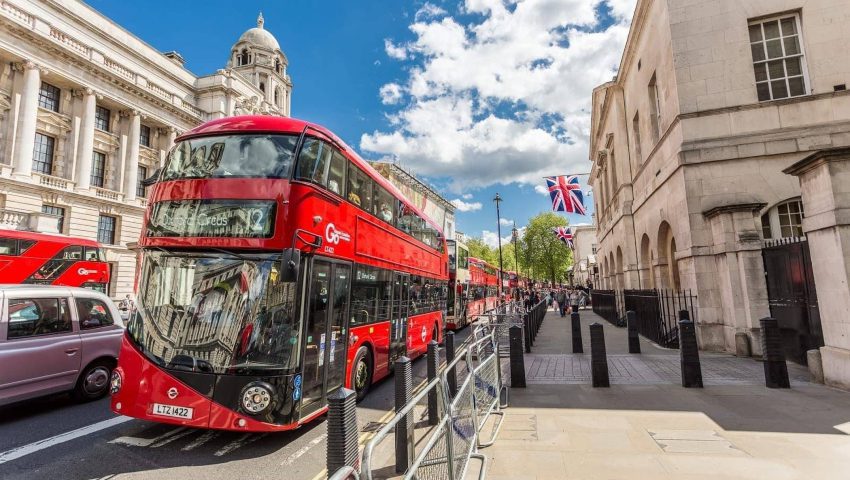
Buses in London (2026 Reality)
London buses are no longer the backup option. In 2026, they are the cheapest, most predictable way to cross large parts of the city.
Adult single fare: £1.75
Unlimited transfers within 60 minutes: Included (Hopper fare)
Daily cap: £5.25
Bus and tram fares are frozen until July 2026. That freeze matters more than it sounds—especially while Tube fares increased in March 2026.
Buses run 24 hours on key routes, with night buses bridging the gap when the Tube closes. Main routes run every 8–12 minutes between 6:00am and 11:30pm.
Payment is completely cashless. Use:
- Oyster card
- Contactless debit or credit card
- Apple Pay / Google Pay
Find live routes and stops using the official TfL bus map: https://tfl.gov.uk/maps/bus
How to get off a London bus (without embarrassment)
Press one of the red buttons before your stop. A bell sounds. A sign lights up. The driver stops at the next marked stop.
In outer London, some routes operate hail and ride zones. You can get off at any safe point when the bus enters the zone—TfL clearly announces it.
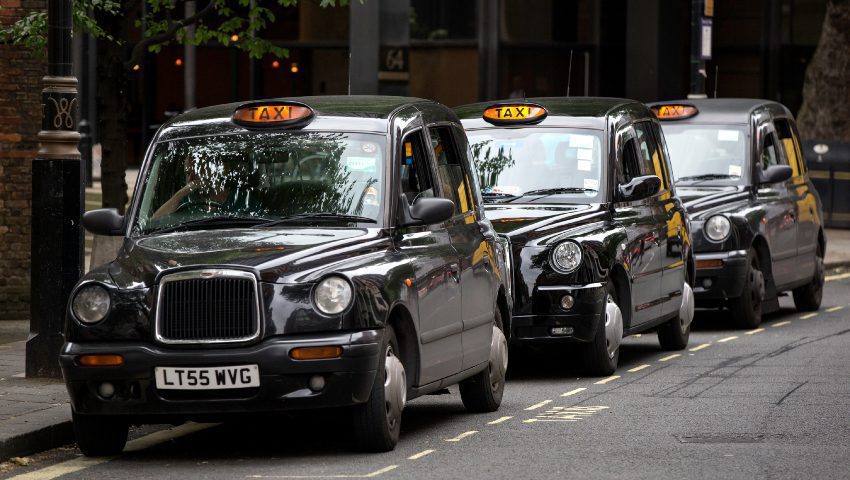
Taxis in London: What £4.20 Really Buys You
London black cabs are regulated, licensed, and far more predictable than most visitors expect.
Minimum fare (2026): £4.20
Availability: 24/7
Payment: Card only (no surcharge)
Typical fares:
- 1 mile: £8.40–£12.80
- 4 miles: £21–£30
- Heathrow to Central London: £64–£120
Only use licensed black cabs or TfL-licensed minicabs. Unbooked minicabs are illegal and uninsured.
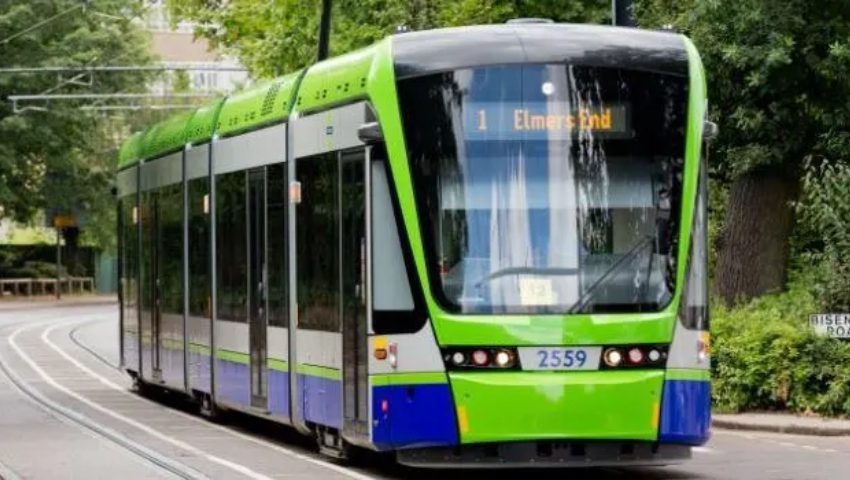
Trams in London: The Quiet Bargain
London trams serve South London, linking Wimbledon, Croydon, Beckenham, and New Addington.
Fare: £1.75 (same as buses)
Payment: Oyster, contactless, Travelcard
Weekday services start at 5:30am, weekends at 6:00am, with final services around midnight.

London Underground (The Tube): What Changed in 2026
The Tube is fast—but in 2026, it’s also where prices quietly went up.
Zone 1 peak fare: £3.10
Zone 1 off-peak: £3.00
Zone 1–6 peak: £5.90
Here’s the part most people miss: daily and weekly fare caps are frozen until March 2027. If you travel often, the increases barely touch you.
Travelcards remain frozen. Oyster and contactless still offer the best value.
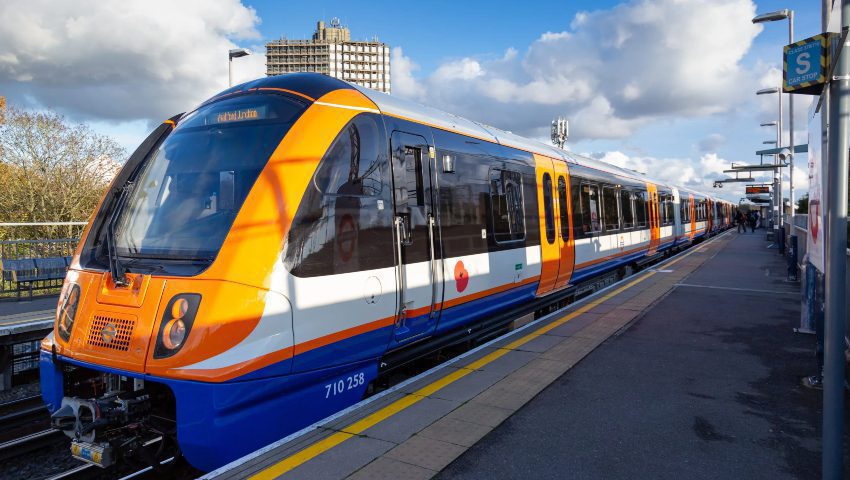
London Overground: The City’s Skeleton
The Overground quietly connects neighbourhoods the Tube skips. Same payment system. Same caps. Less crowding.

DLR: Driverless and Underrated
The DLR serves Canary Wharf, Greenwich, and East London with trains every 5–10 minutes.

National Rail: When Oyster Stops Working
Some trains fall outside the TfL system. Always check if Oyster is accepted—especially for Gatwick and Stansted routes.

Uber Boat by Thames Clippers
River buses are slower—but scenic. Routes run from Putney to Royal Woolwich Arsenal. Oyster and contactless accepted.
London doesn’t reward speed. It rewards strategy.
If you chase the fastest route every time, you’ll pay more. If you understand how fares freeze, caps work, and buses quietly outperform the Tube, London suddenly becomes generous.